
Exhibition stand design trends 2026: key insights from EuroShop
EuroShop is one of the world’s leading trade fairs for retail and store environments. The 2026 edition in Düsseldorf offered a clear snapshot of current exhibition stand design trends. At the same time, it showed how trade show stand design is evolving, as brands create impactful spatial experiences on the international stage.
This year, there was no single breakthrough innovation dominating the show. Instead, the focus shifted to how long-established solutions continue to evolve. Technologies, materials, and execution methods are constantly being refined. As a result, the most successful stands are those where these elements come together seamlessly.
EuroShop 2026 reinforced several key directions in exhibition stand design and execution. In addition, it offered valuable exhibition stand design ideas for companies planning future events.
Digital display surfaces take centre stage
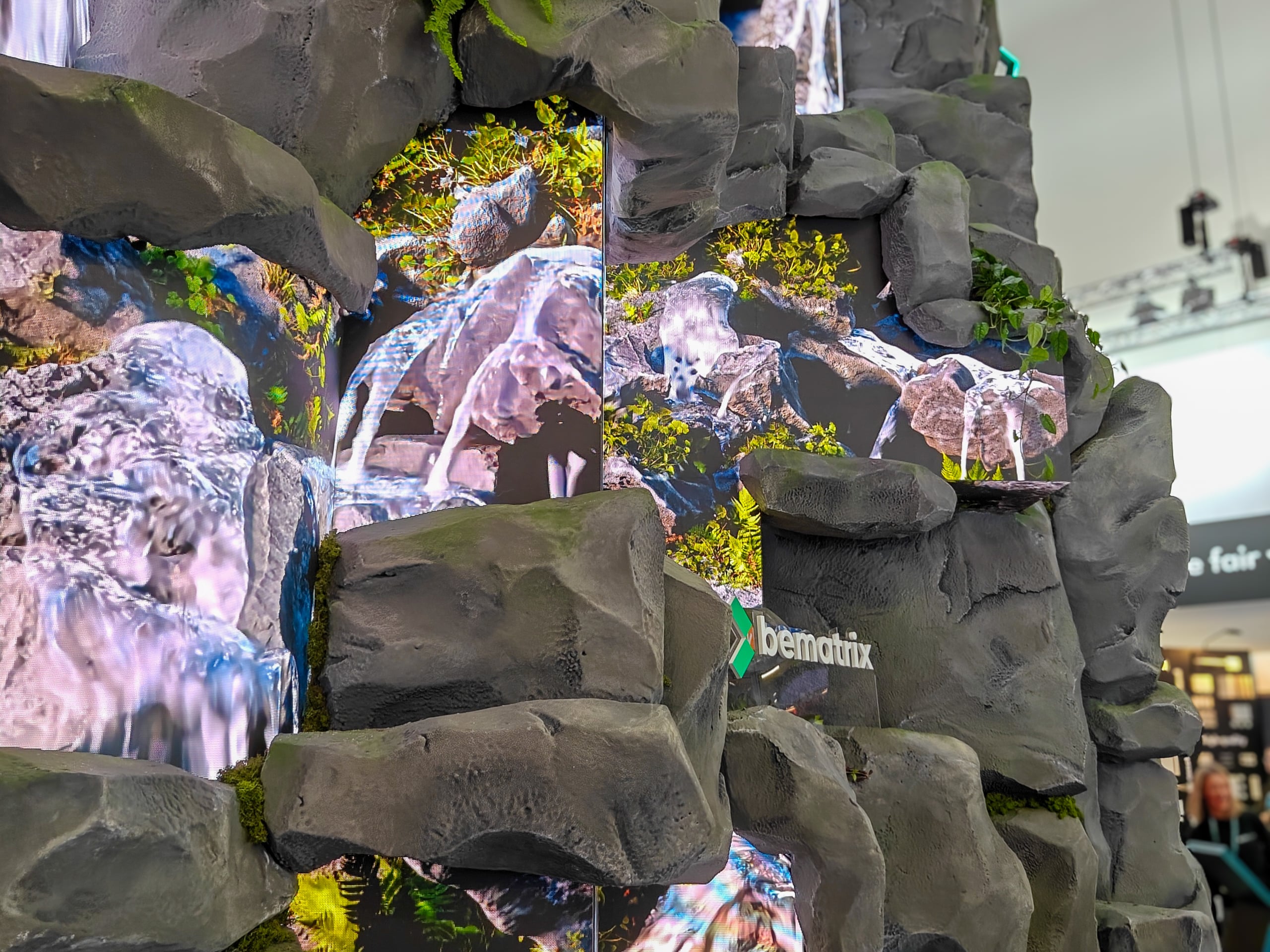
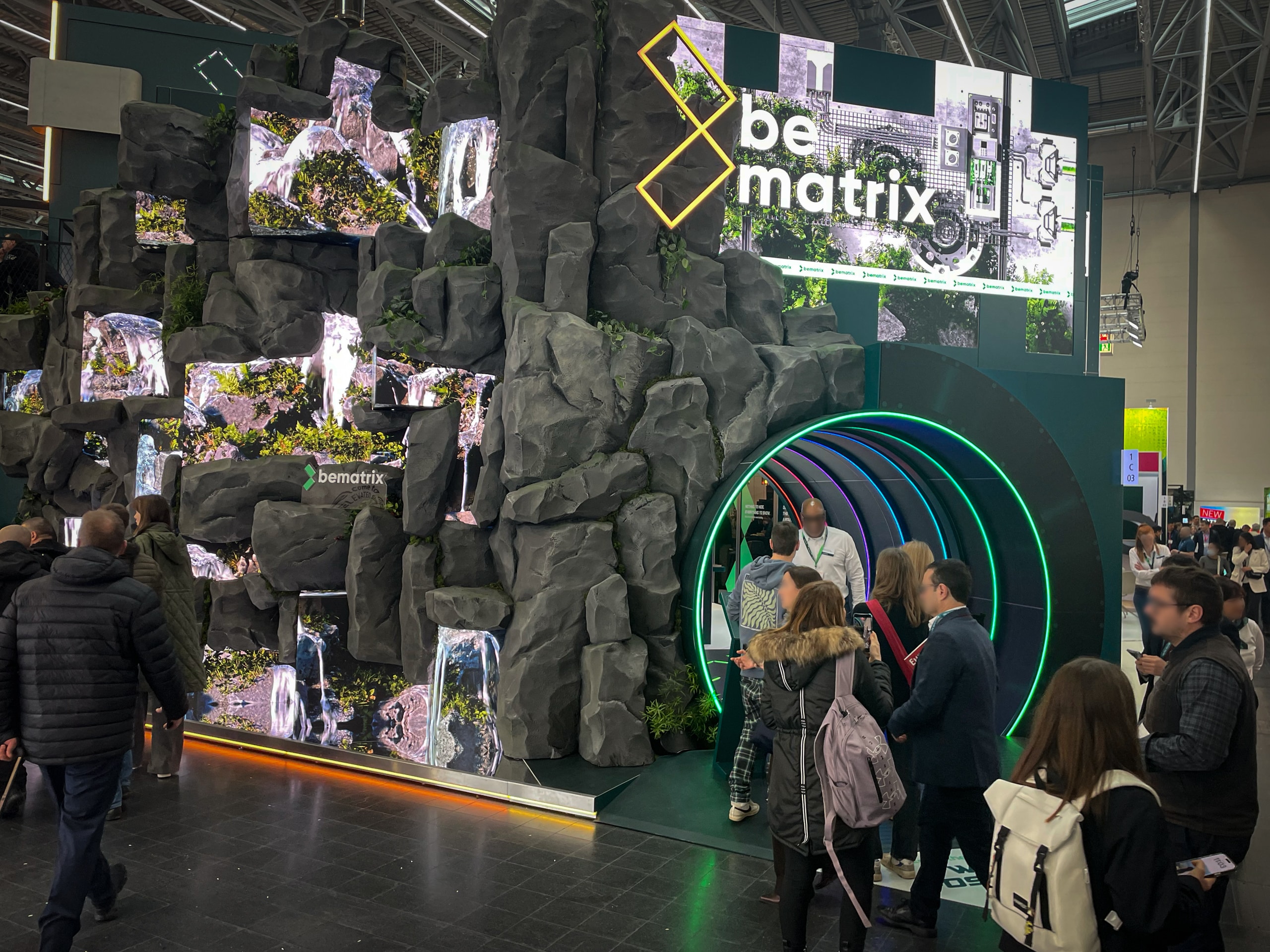
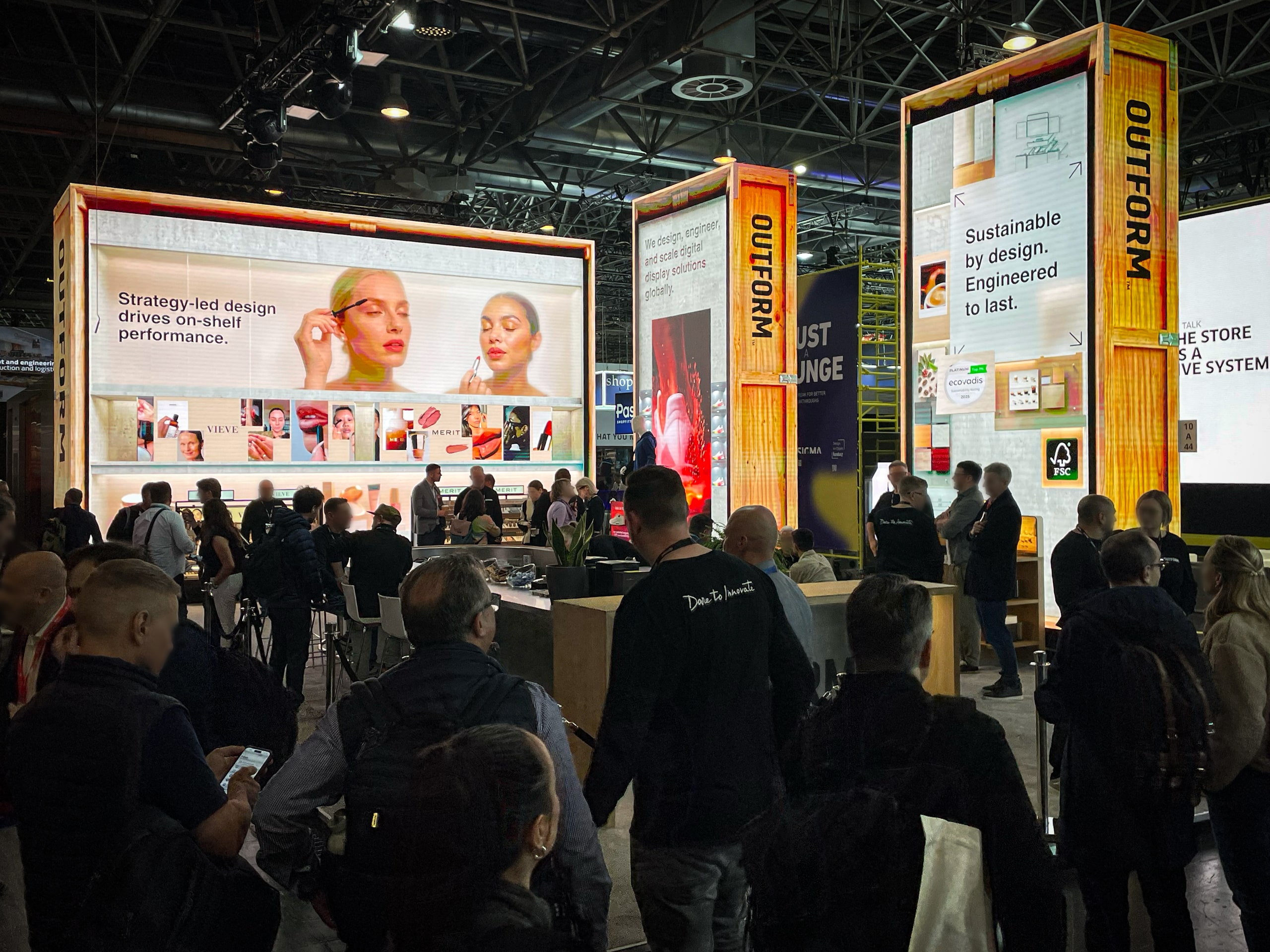
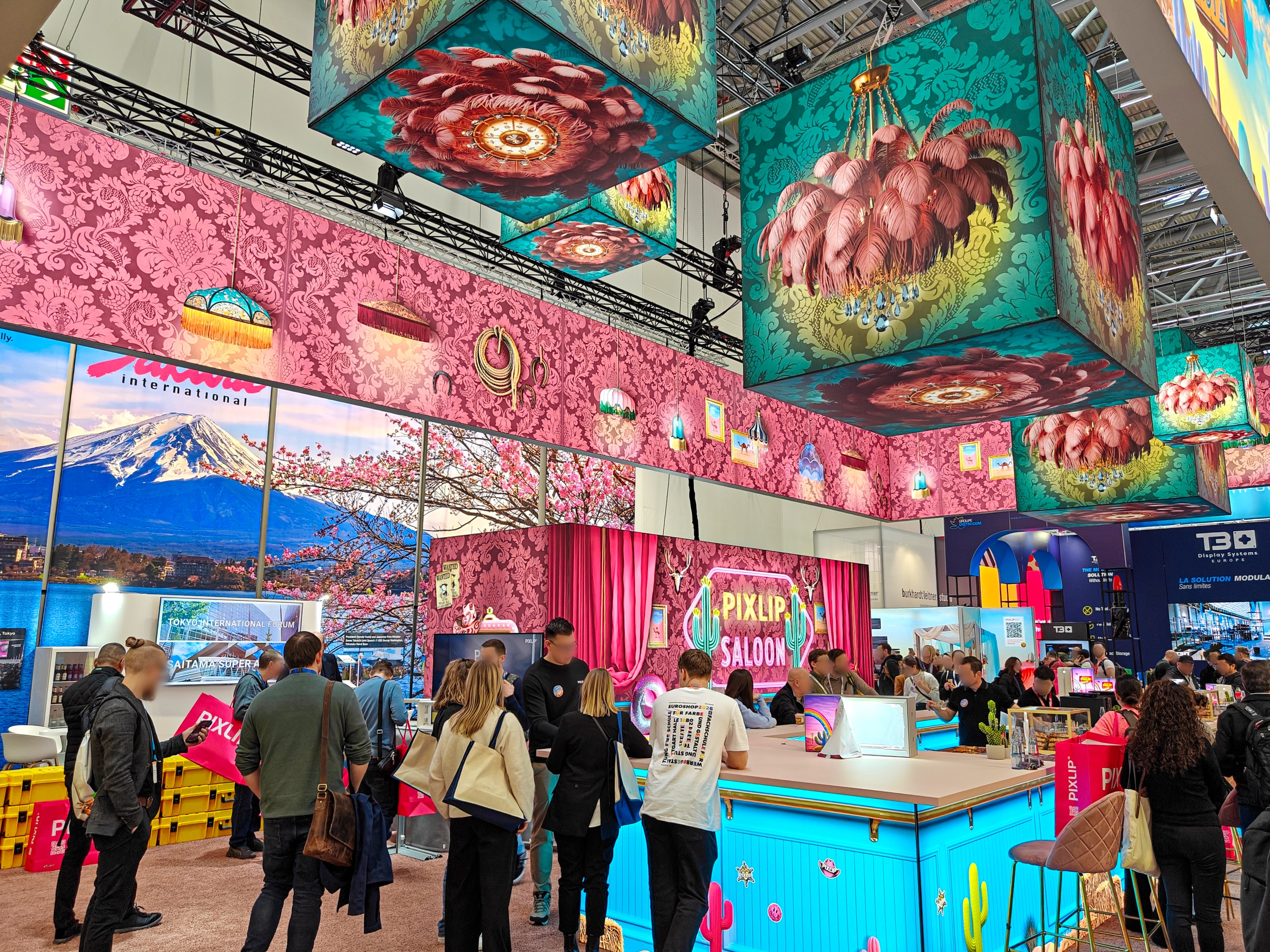
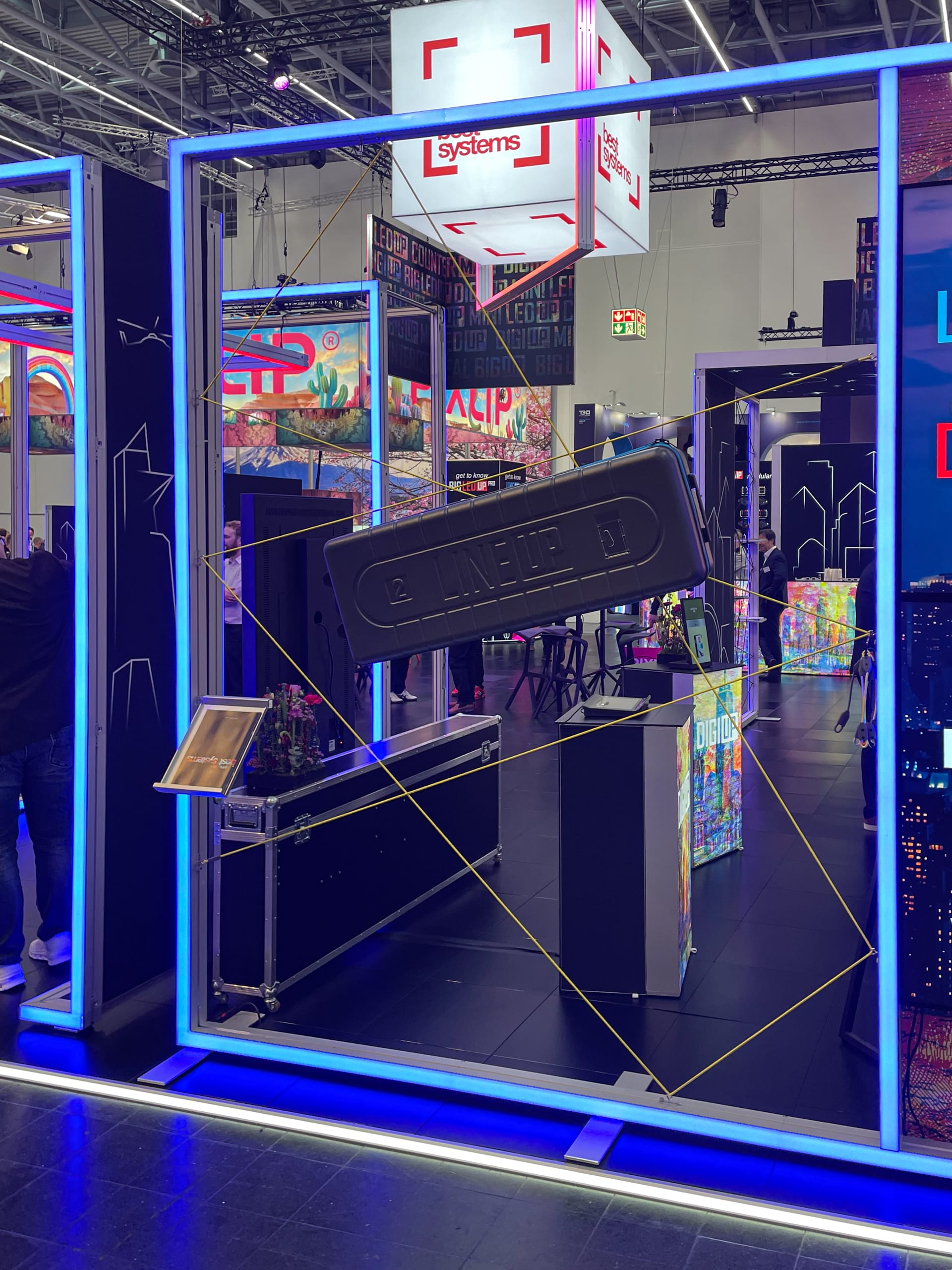
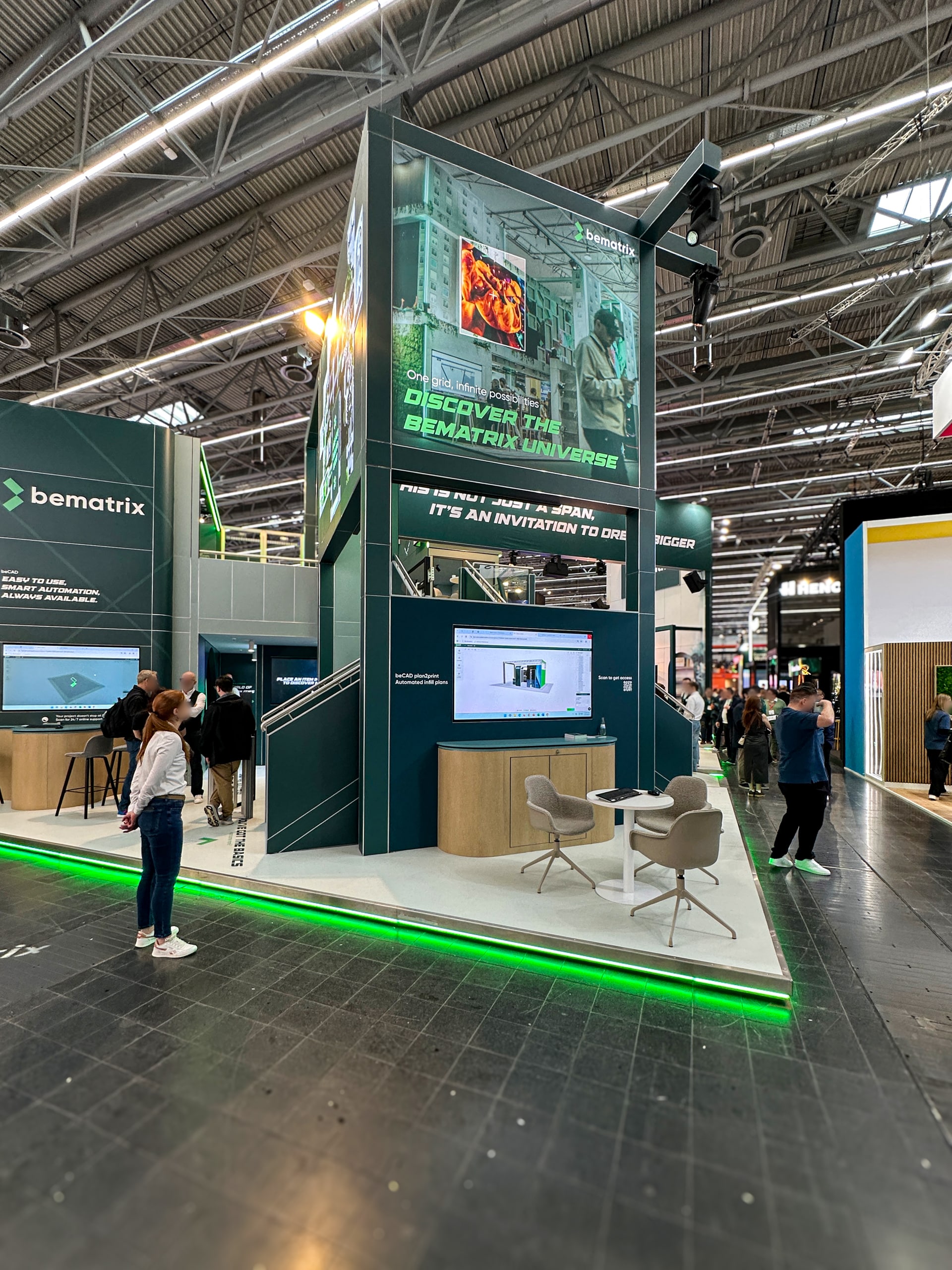
Digital display surfaces now play a central role on most exhibition stands. At EuroShop, we saw a wide range of large LED walls, display-based background structures, and transparent LED screen solutions. In many cases, exhibitors combined these LED exhibition displays with large-format graphics and lightboxes. As a result, digital and printed elements formed a cohesive visual environment.
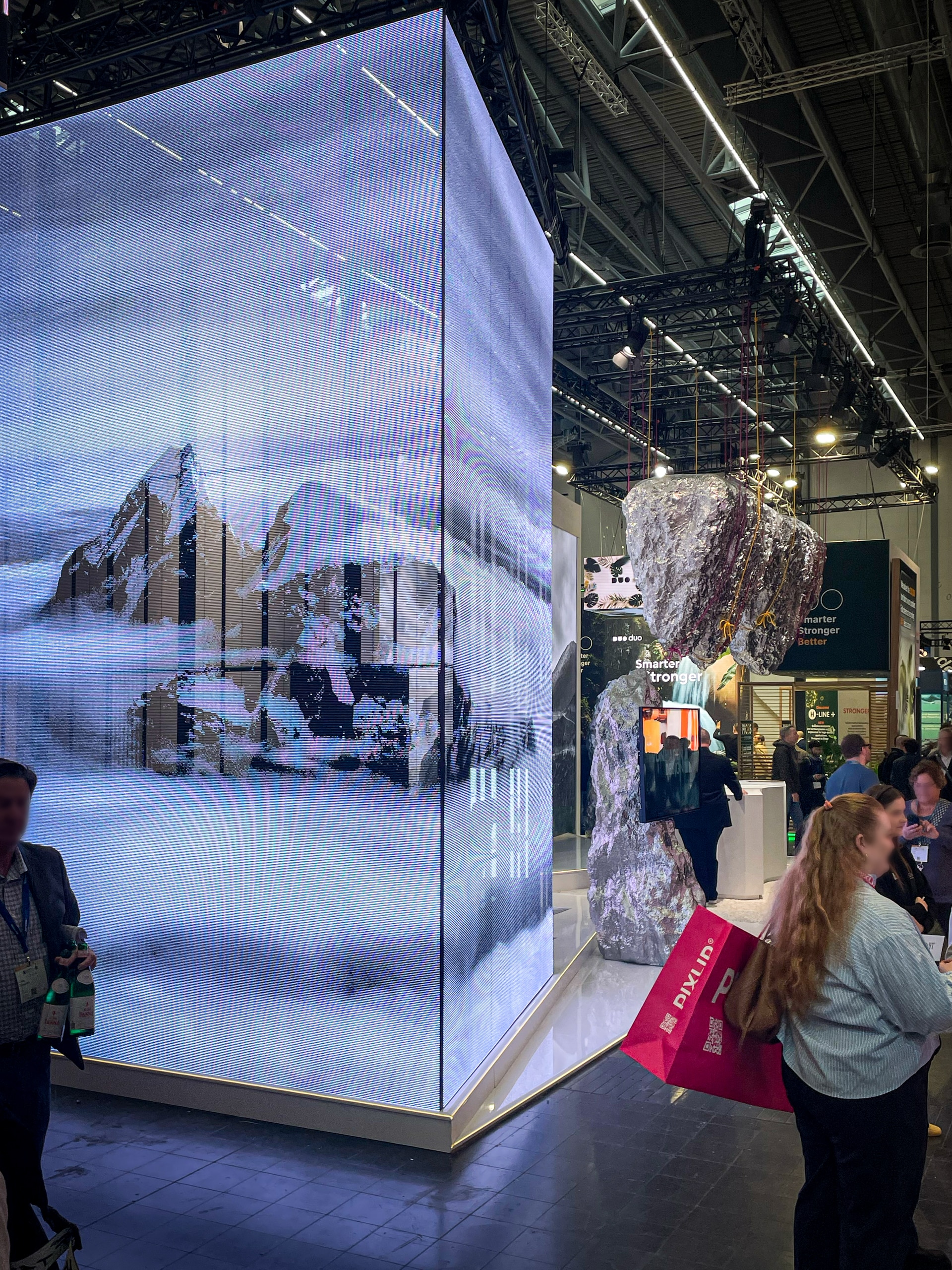
At the same time, LED technology continues to advance rapidly. Displays are now thinner and lighter, and some even resemble stretched fabric surfaces.
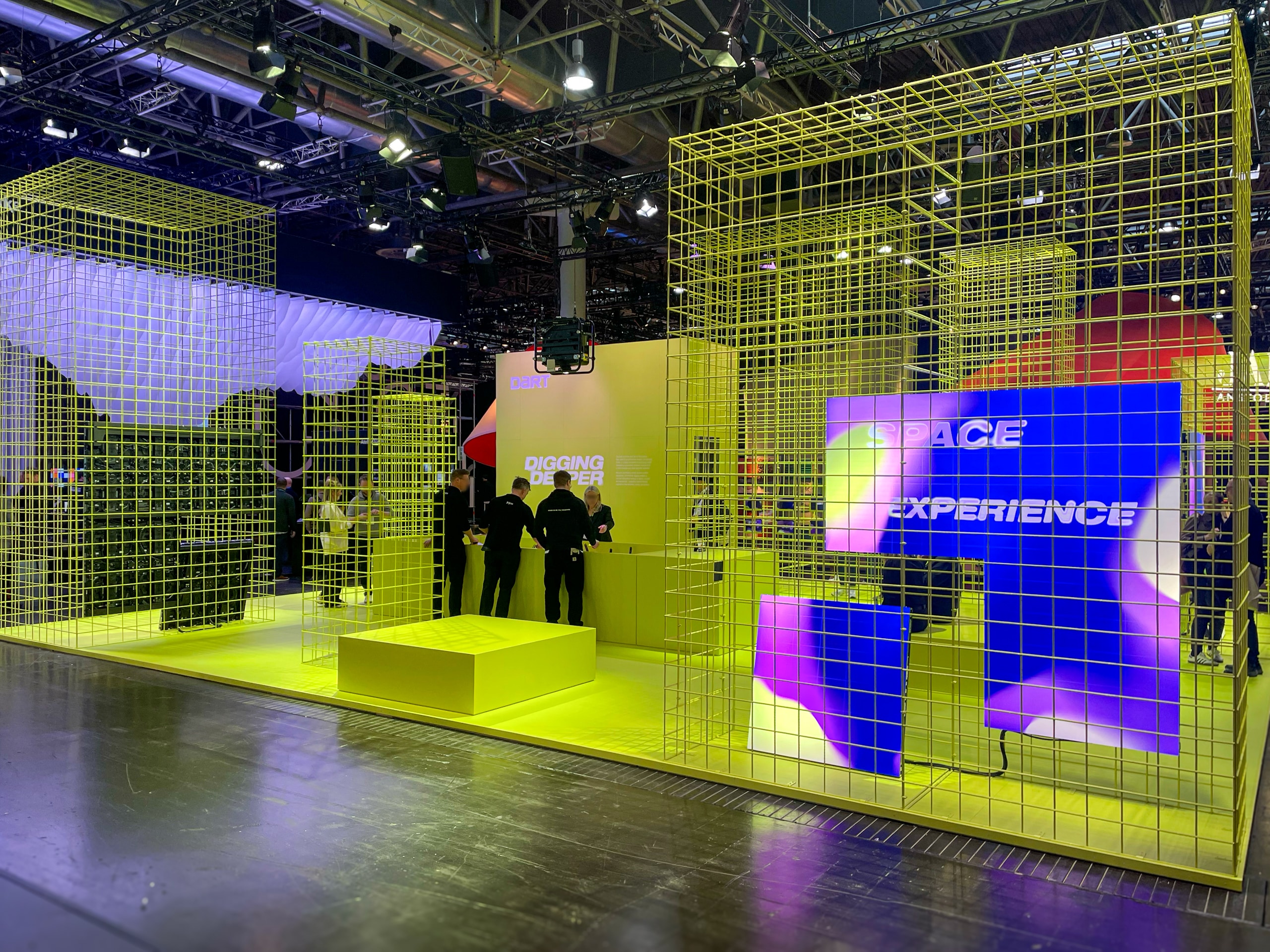
In particular, transparent LED screens attracted strong interest. They allow digital content to blend into the physical space without blocking visibility. Because of this, they create a more open and layered spatial experience.
Looking ahead, these solutions will likely become more common across European exhibition stand design. However, for now, availability and relatively high costs still limit their use.
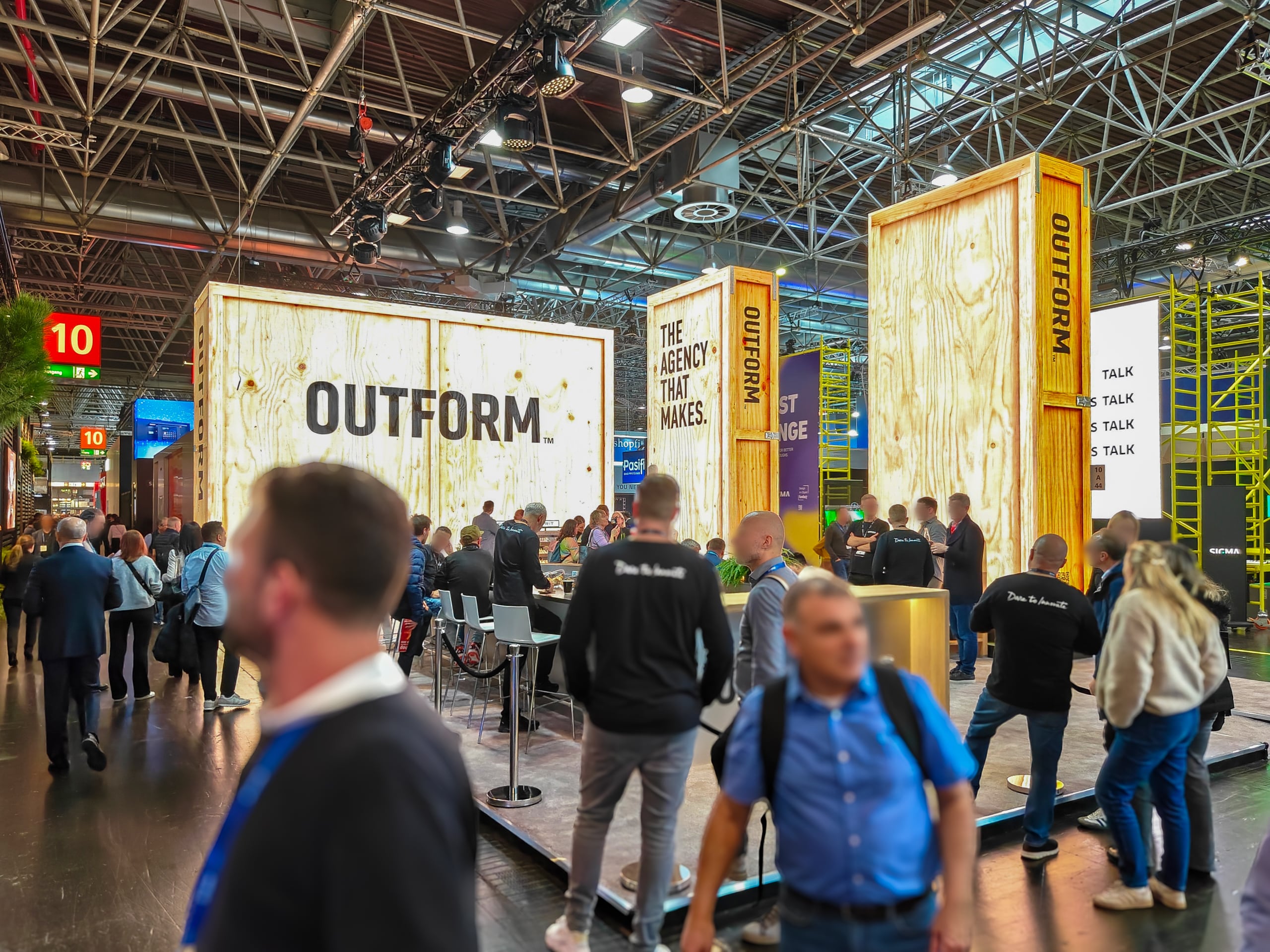
The growing importance of digital content
As digital surfaces become more common, content design plays an increasingly important role. At EuroShop, the most effective stands were those where screen content was fully integrated into the overall visual concept.
At its best, digital content supports the stand’s visual theme, strengthens brand messaging, and guides attention. Therefore, if you invest in large LED exhibition displays, you should invest equally in content planning and production.
Modular systems continue to evolve
Modular structural systems have long been standard in exhibition construction. However, EuroShop clearly showed how these systems continue to evolve.
New connection methods, components, and surface solutions enable more versatile stand designs. In practice, these developments allow modular exhibition stands to integrate graphics and digital elements more seamlessly.
Most large graphic surfaces were built using modular systems. In addition, there was a wide range of suppliers and system variations on display.
These systems remain popular for clear reasons. They enable faster construction, greater flexibility, and better cost-efficiency. Moreover, companies can reuse modular exhibition stands across multiple events. Because of this, they play a key role in scalable and efficient trade show stand design.
For many companies, this is especially important as exhibition budgets are now reviewed more critically.
LED lighting as a strong visual element
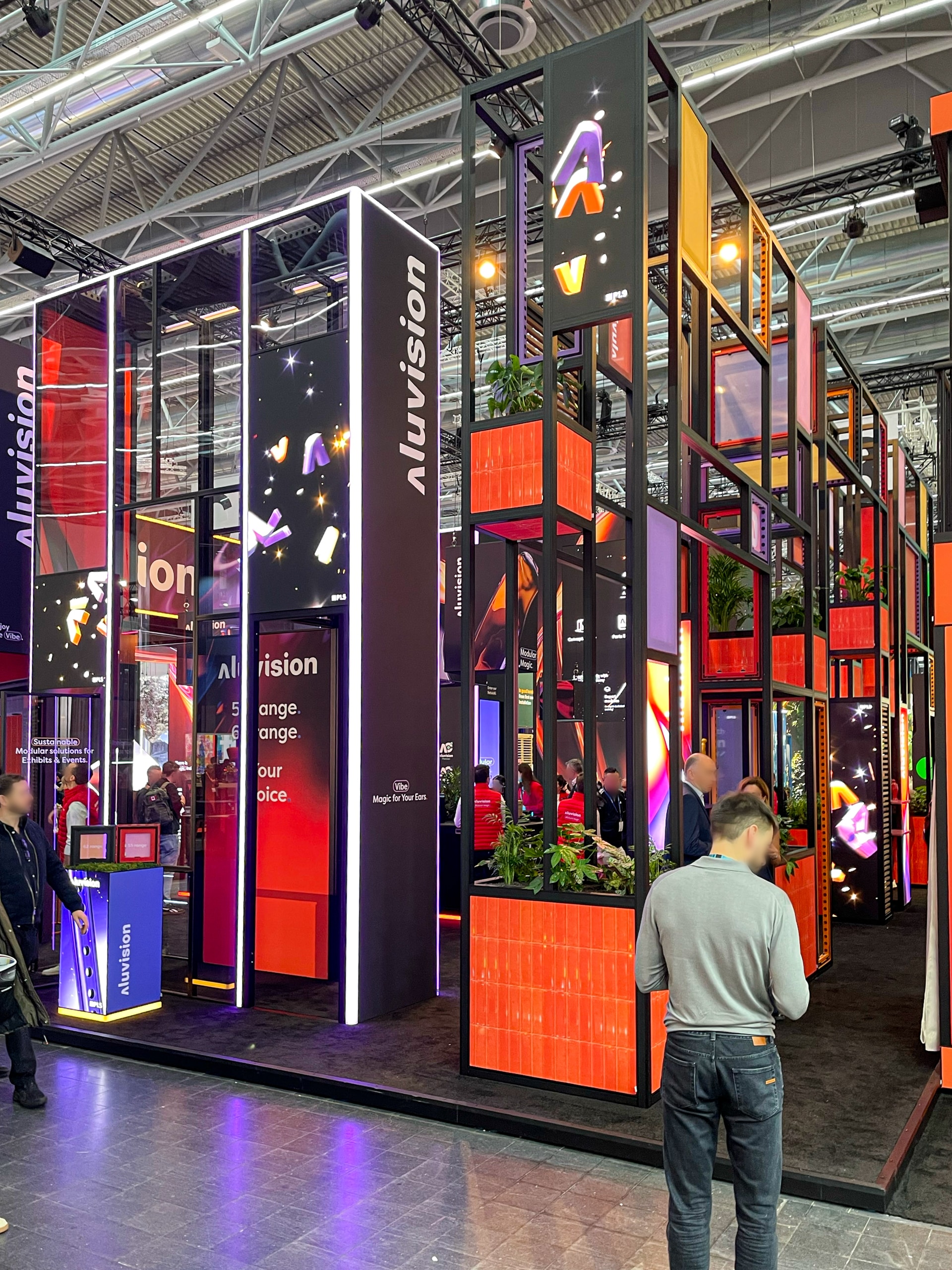
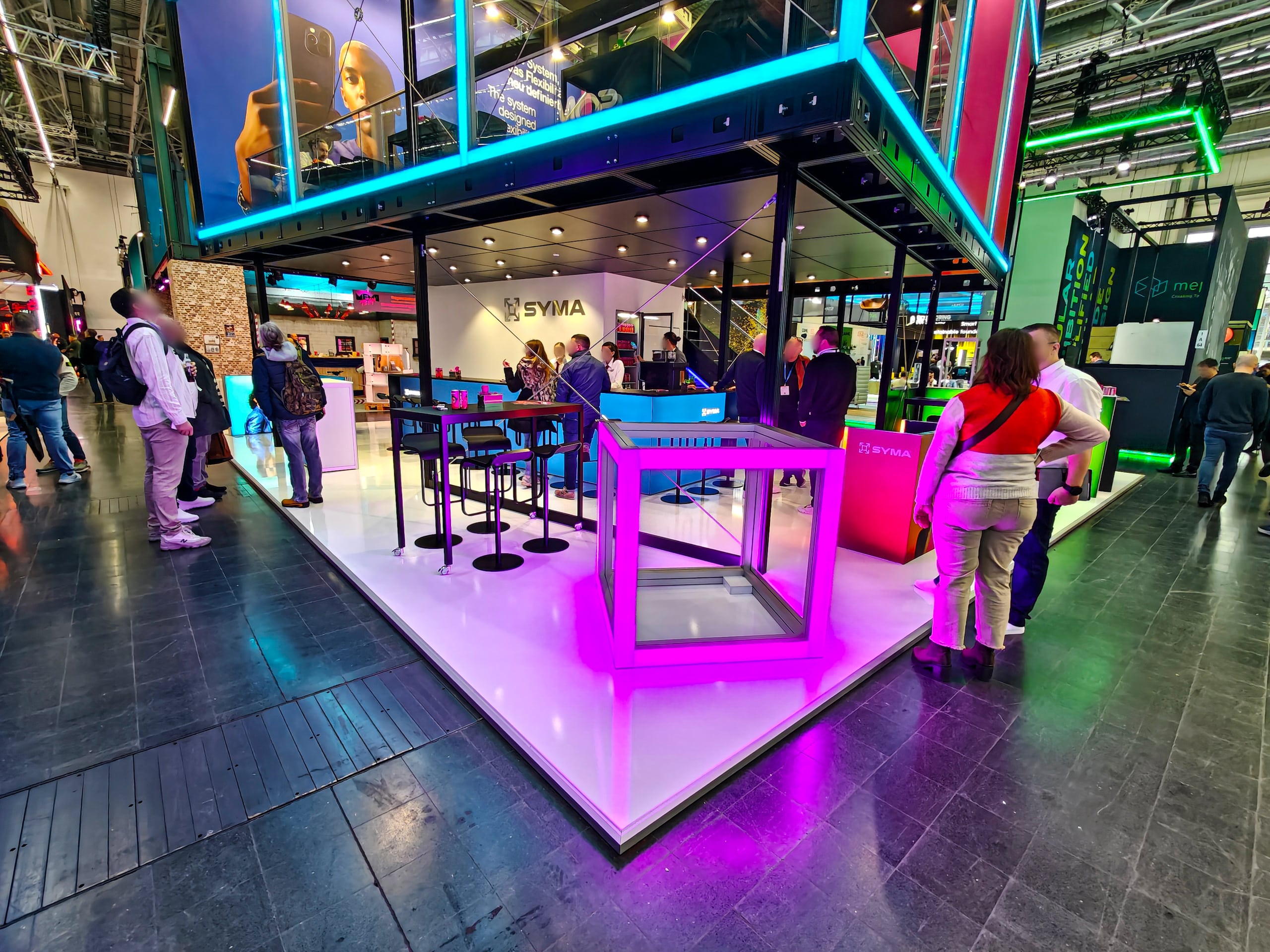
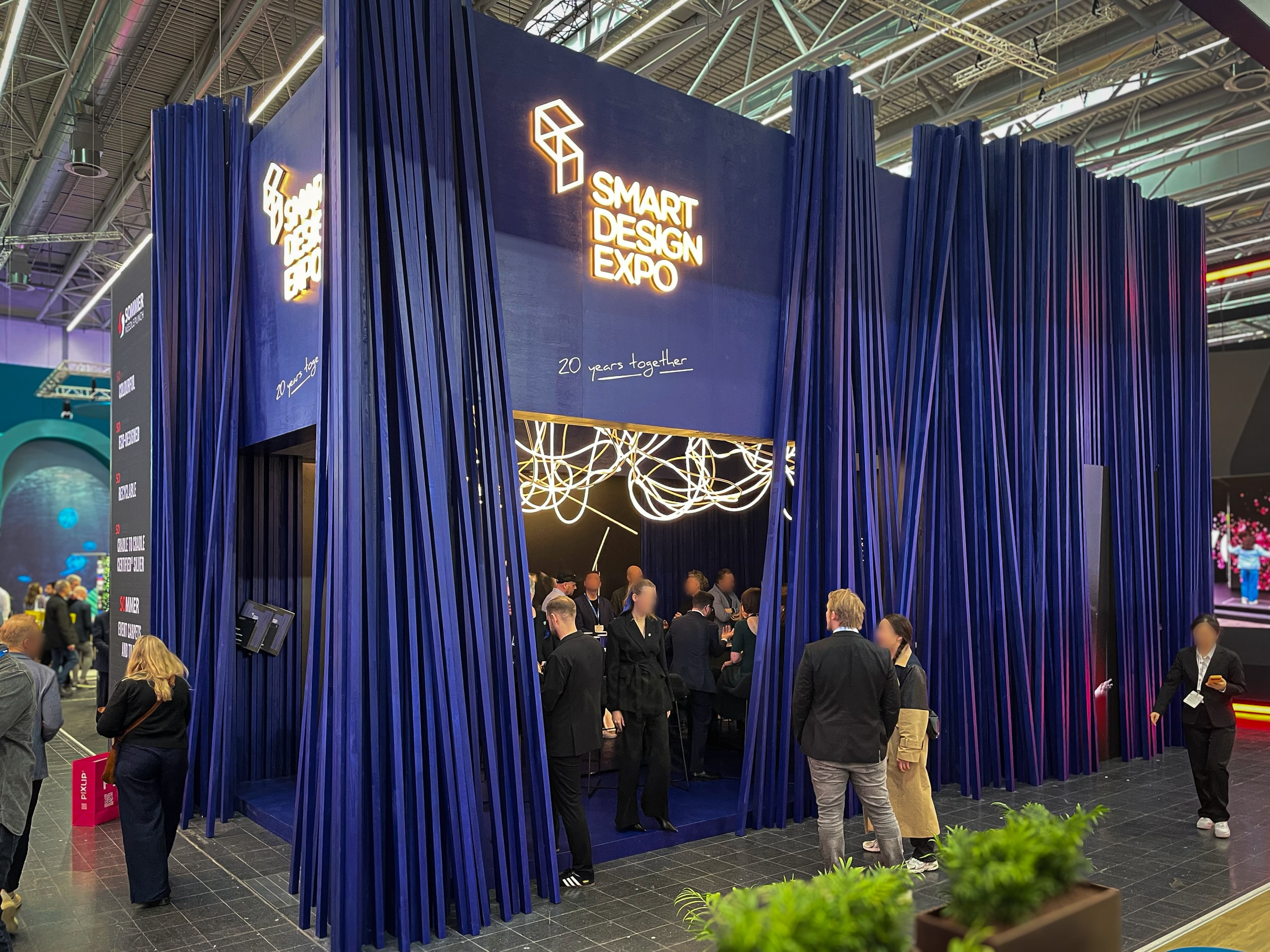
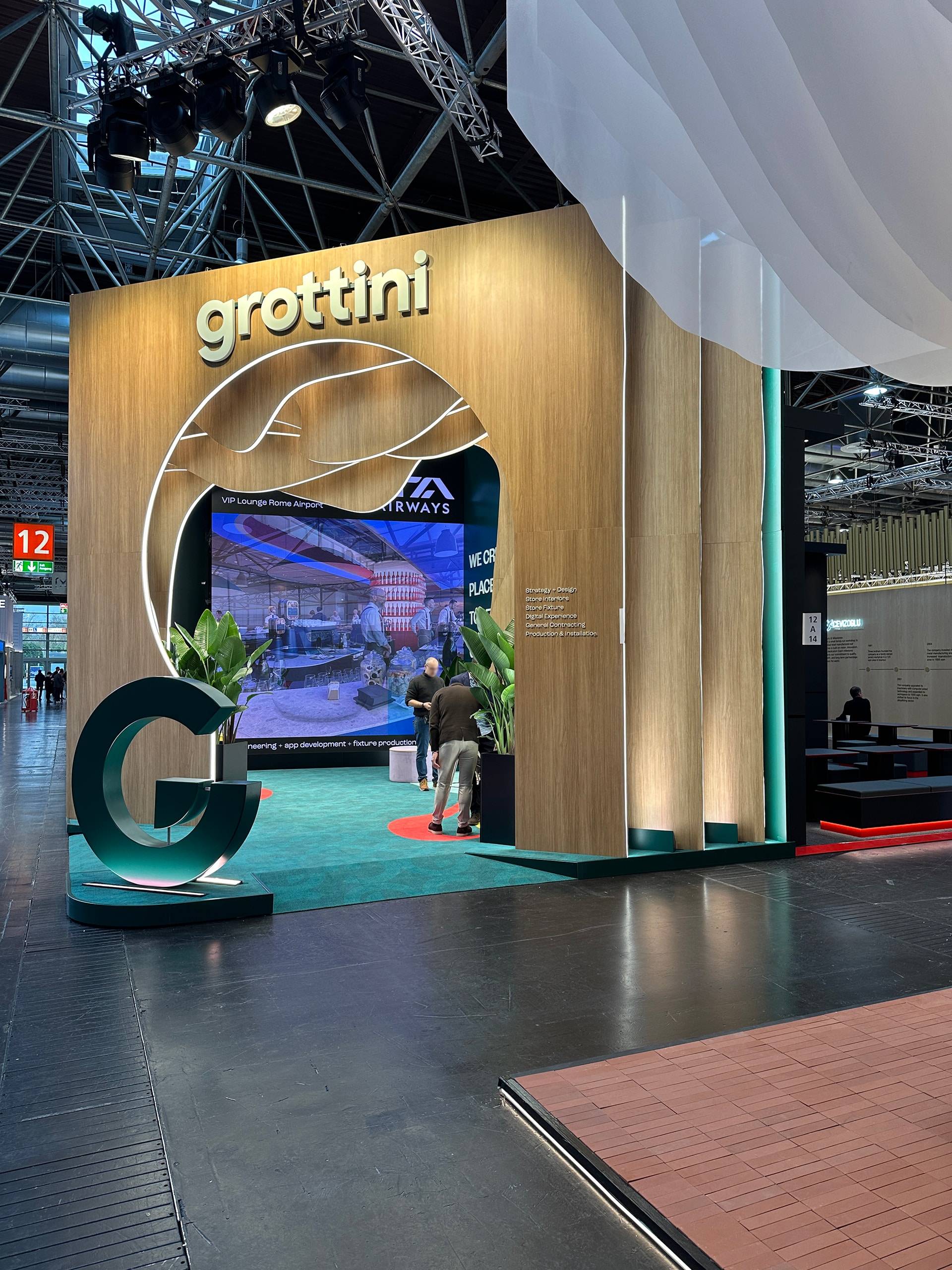
LED light strips and profiles were widely used as visual features. For example, exhibitors used them in floor outlines, raised flooring structures, and wall highlights.
In addition, many stands used light lines as graphic elements within the space. These lines were not always straight. Instead, they often moved playfully and asymmetrically. As a result, they strengthened the stand’s visual identity and helped structure the space.
Bolder use of colours and materials
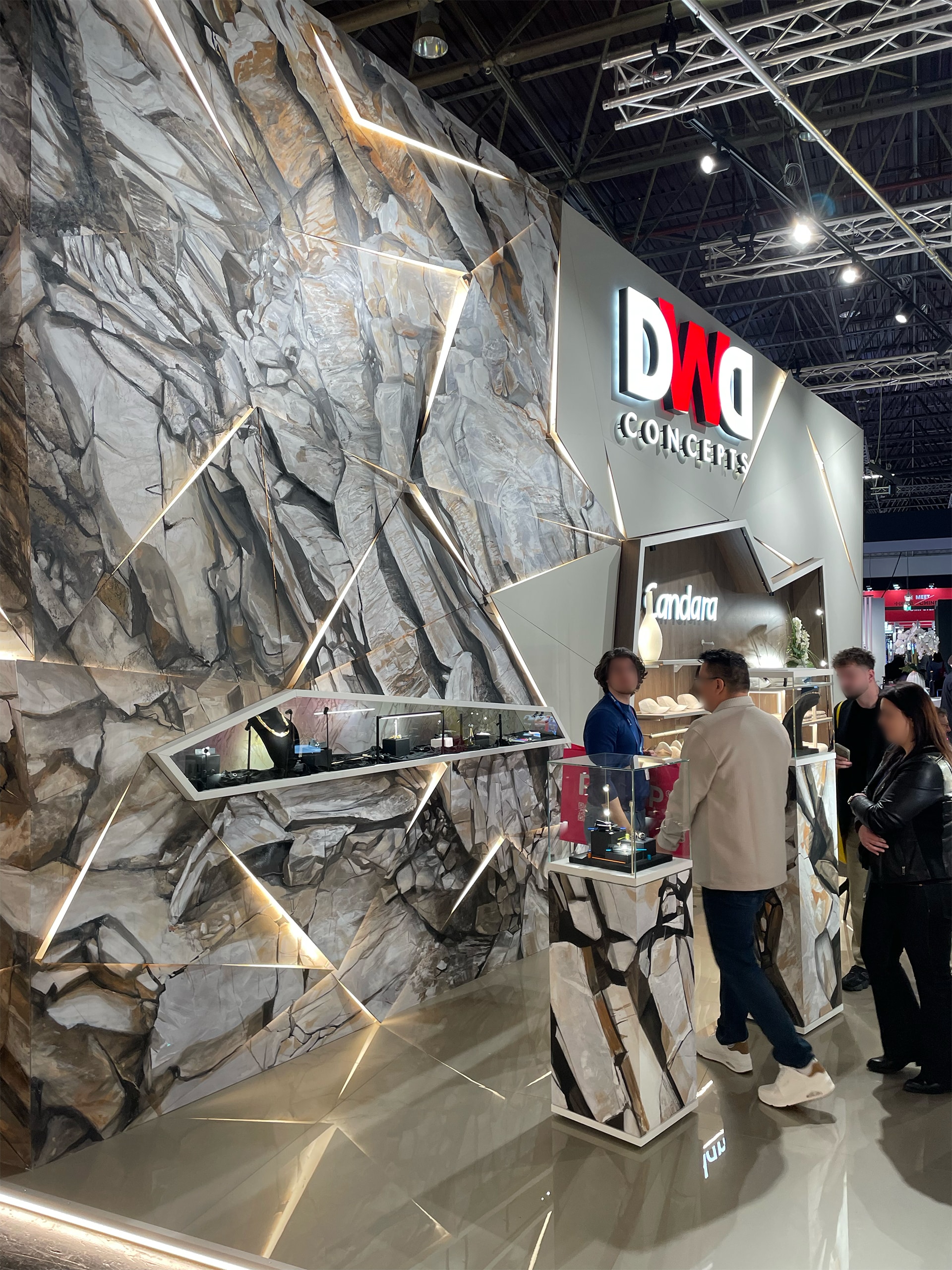
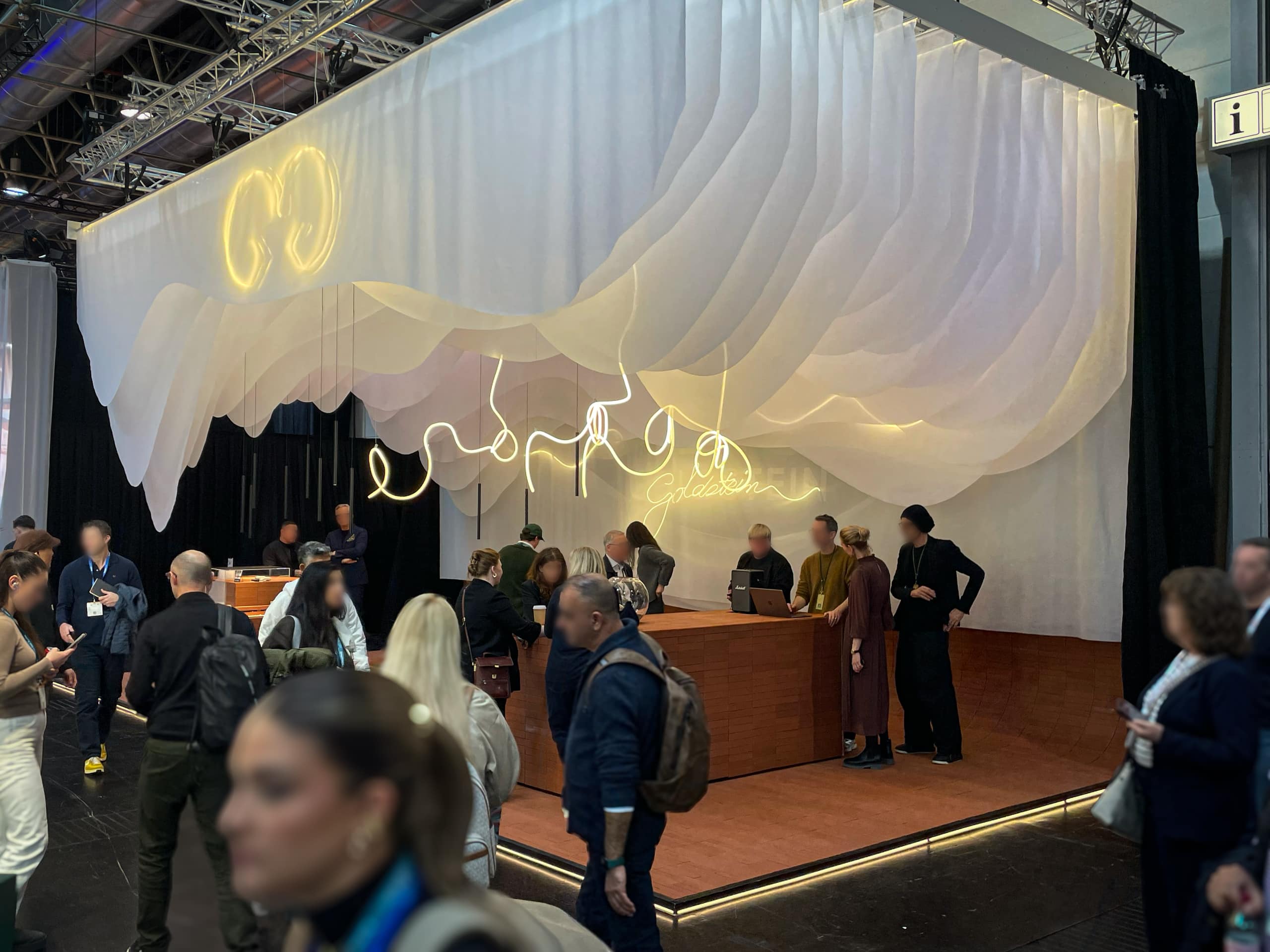
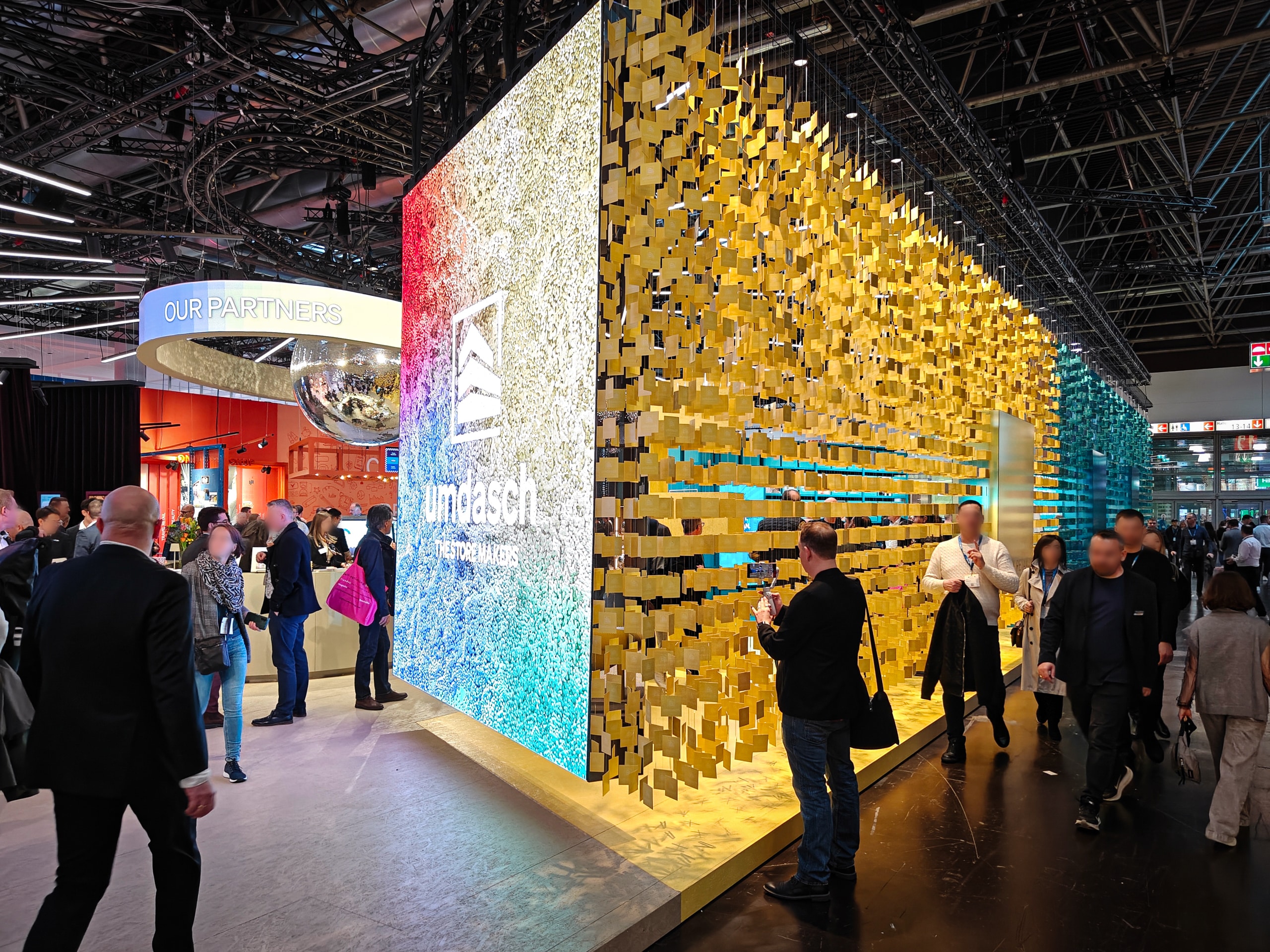
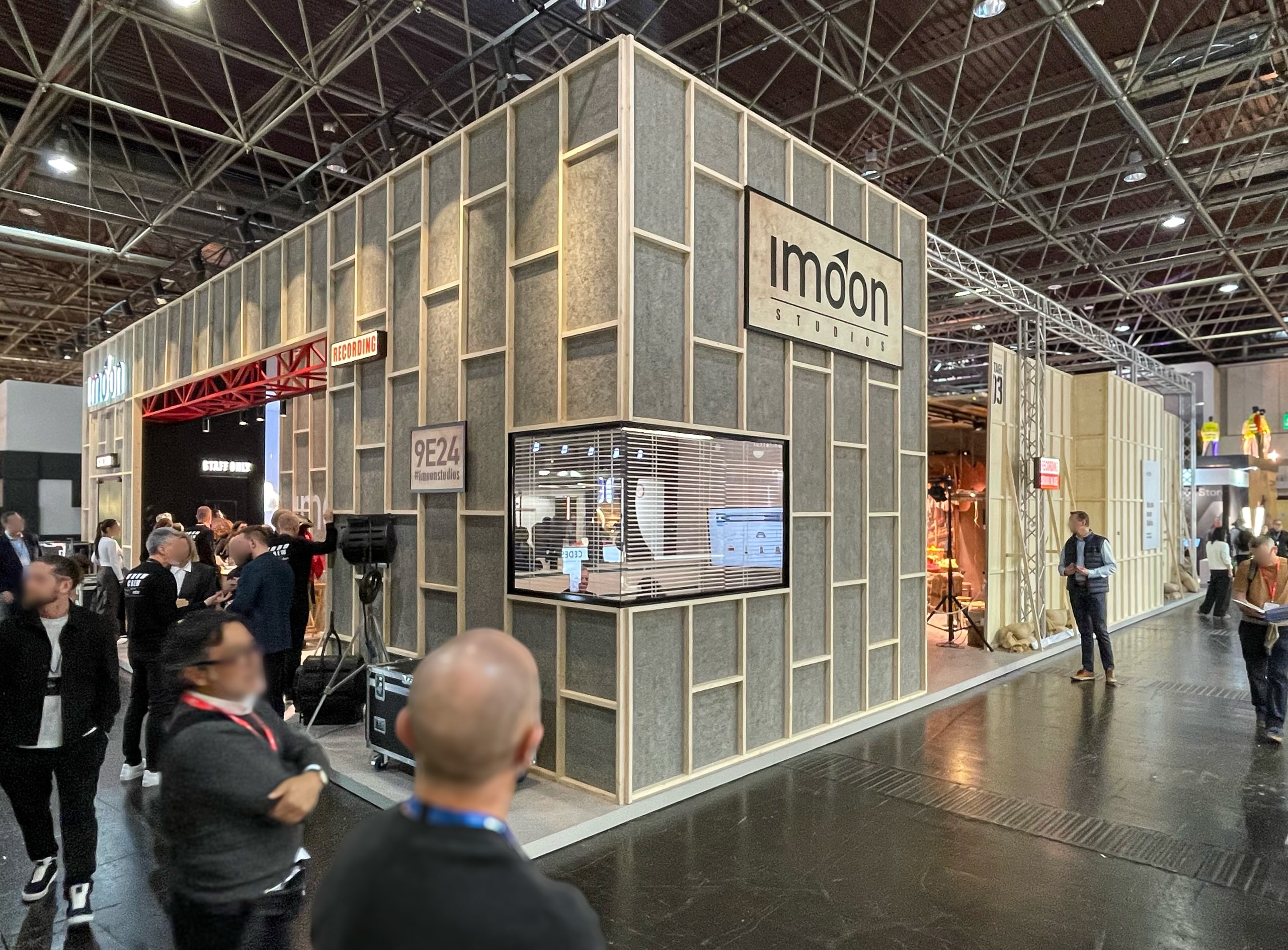
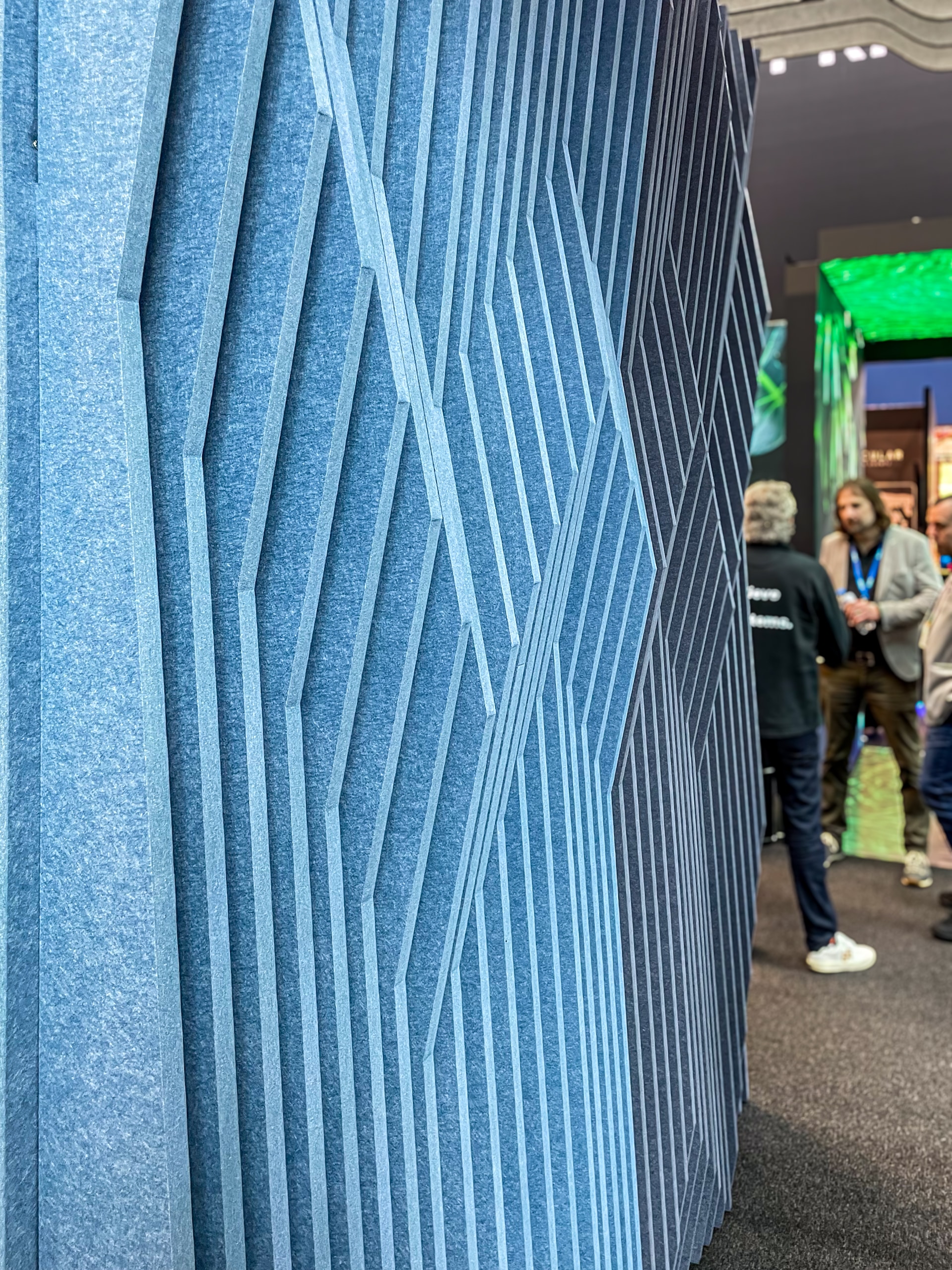
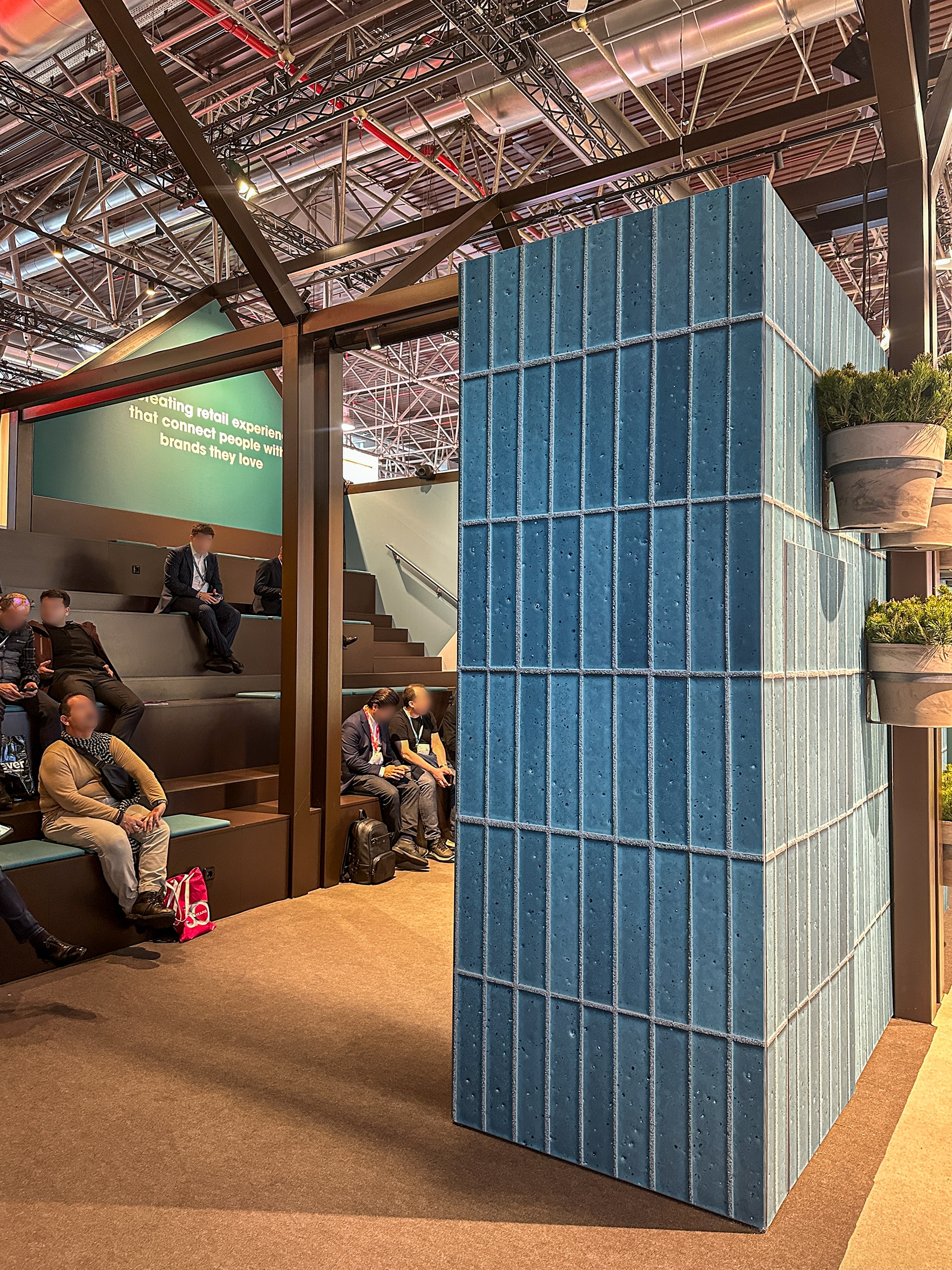
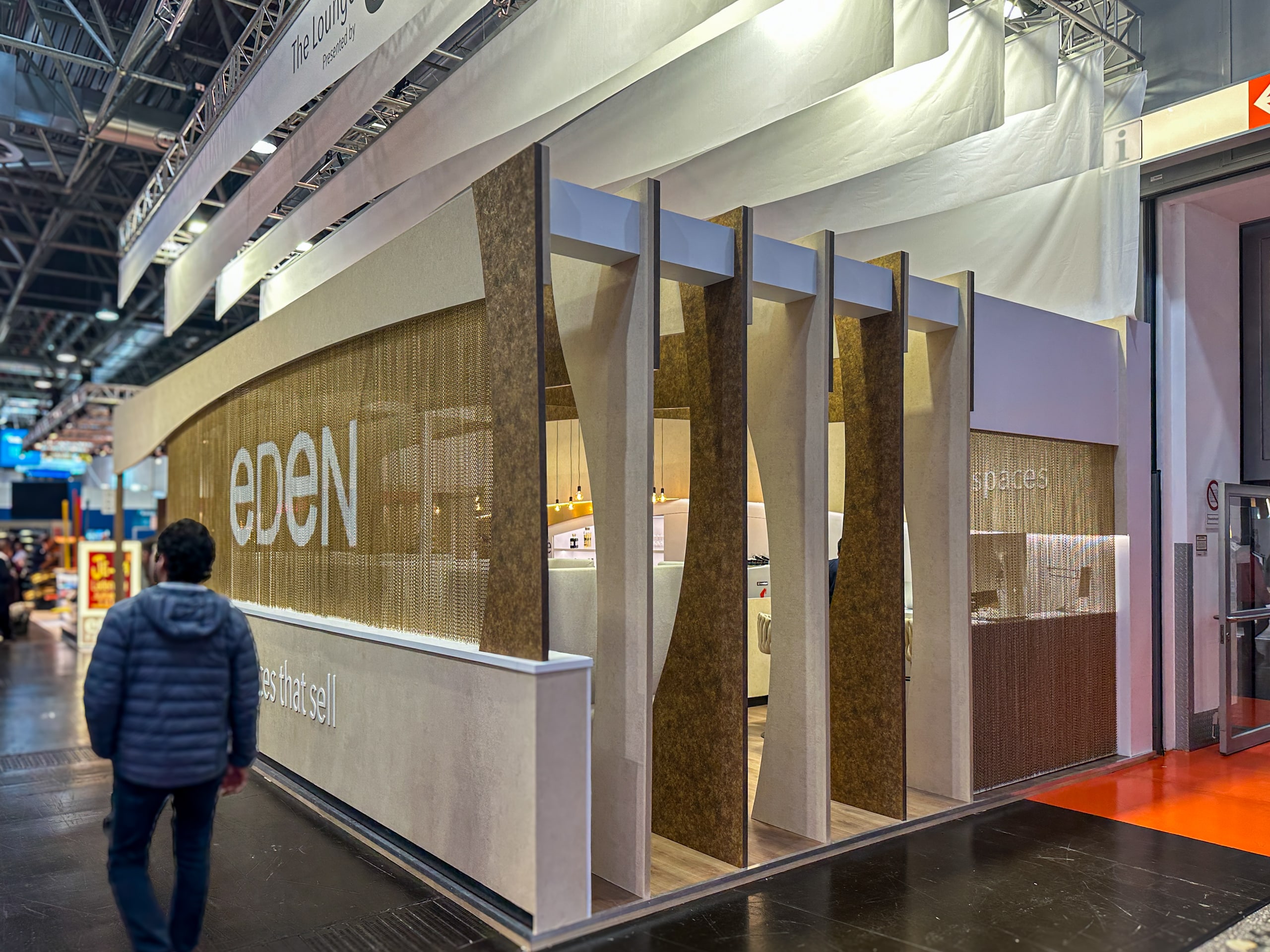
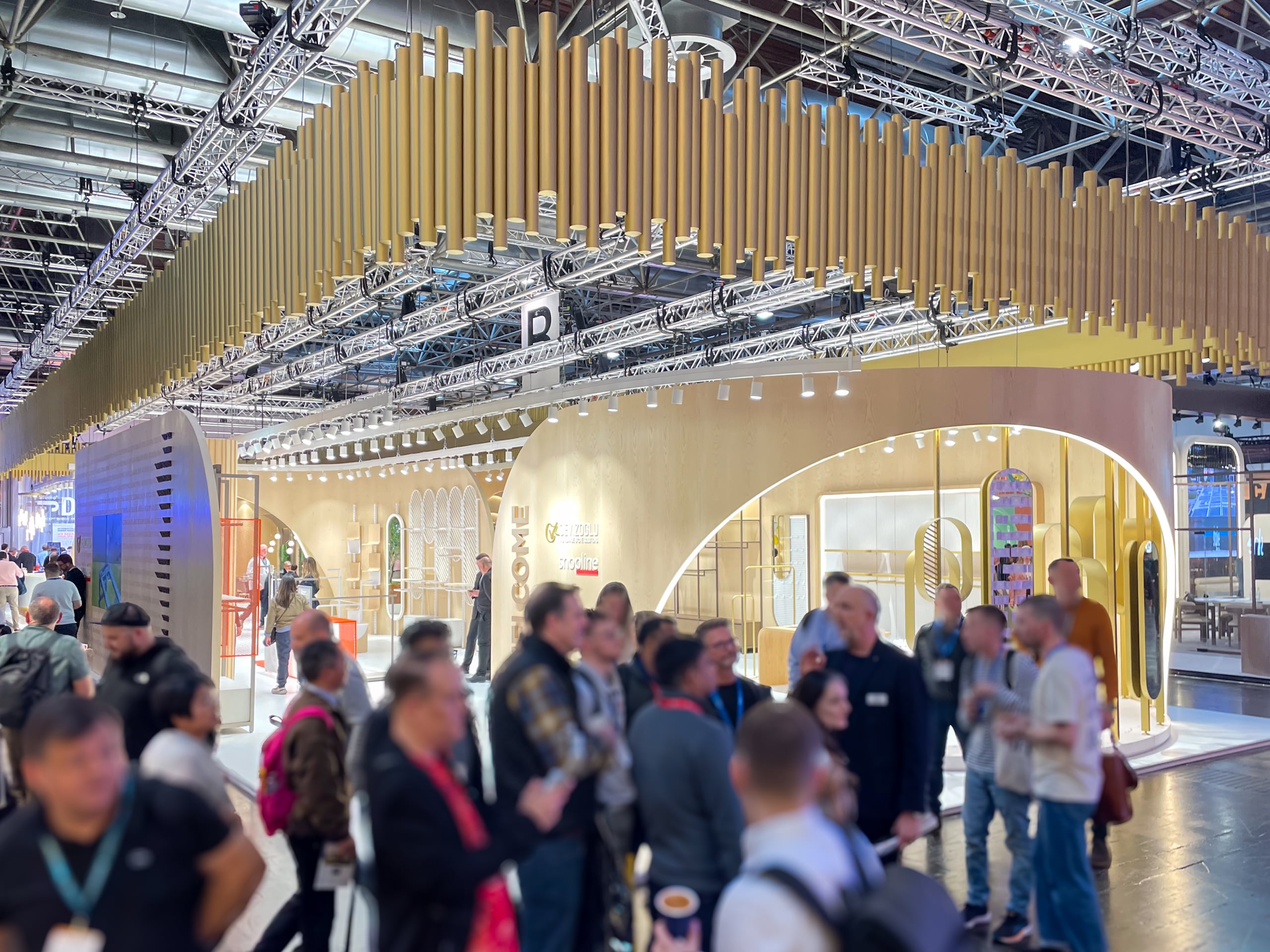
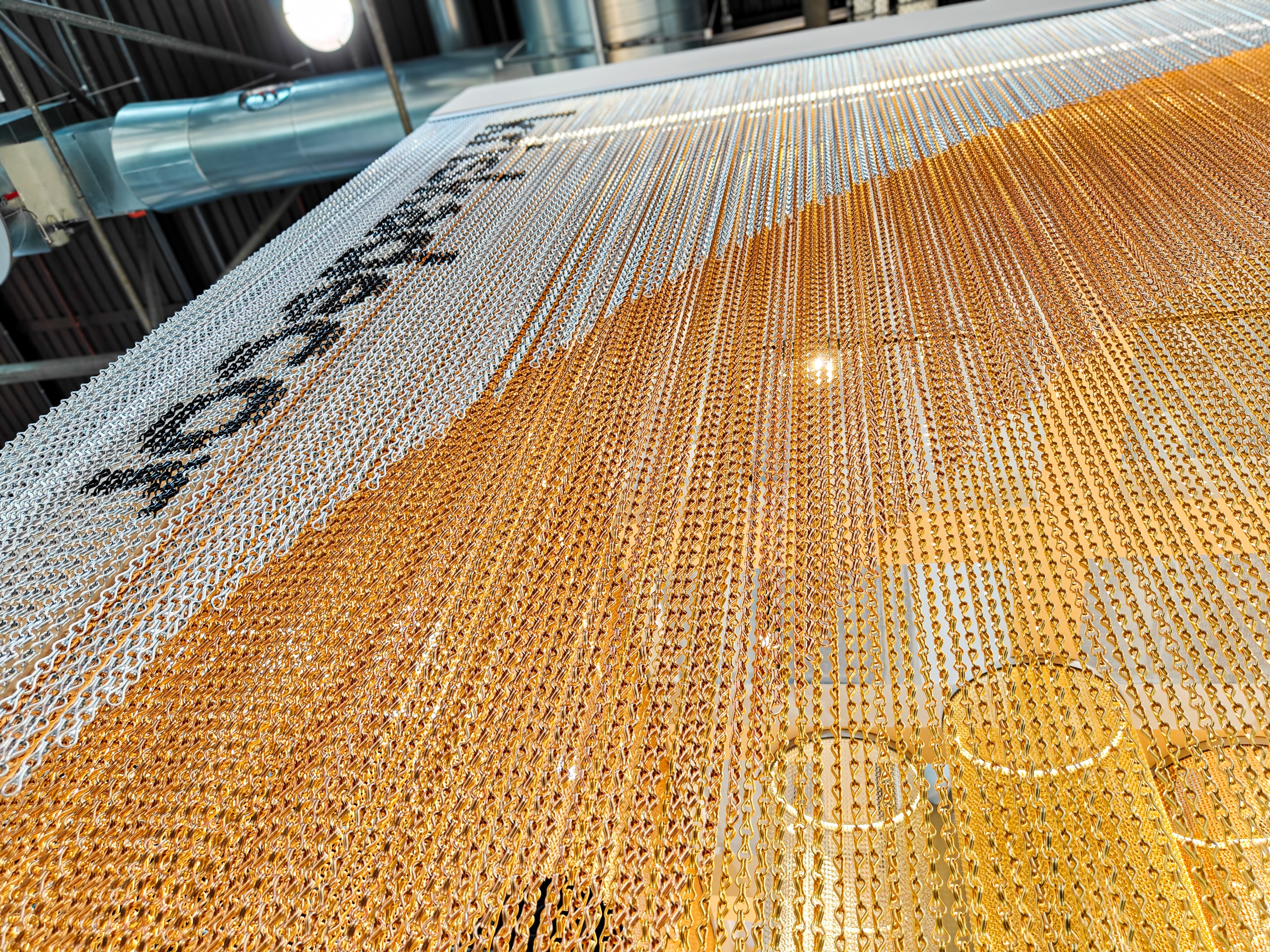
EuroShop showcased a wide range of colour palettes and materials. Alongside classic combinations of black, white, and light wood, we also saw darker wood tones, bold primary colours, and soft pastel shades.
Although no single colour trend dominated, colours were clearly used more boldly than before.
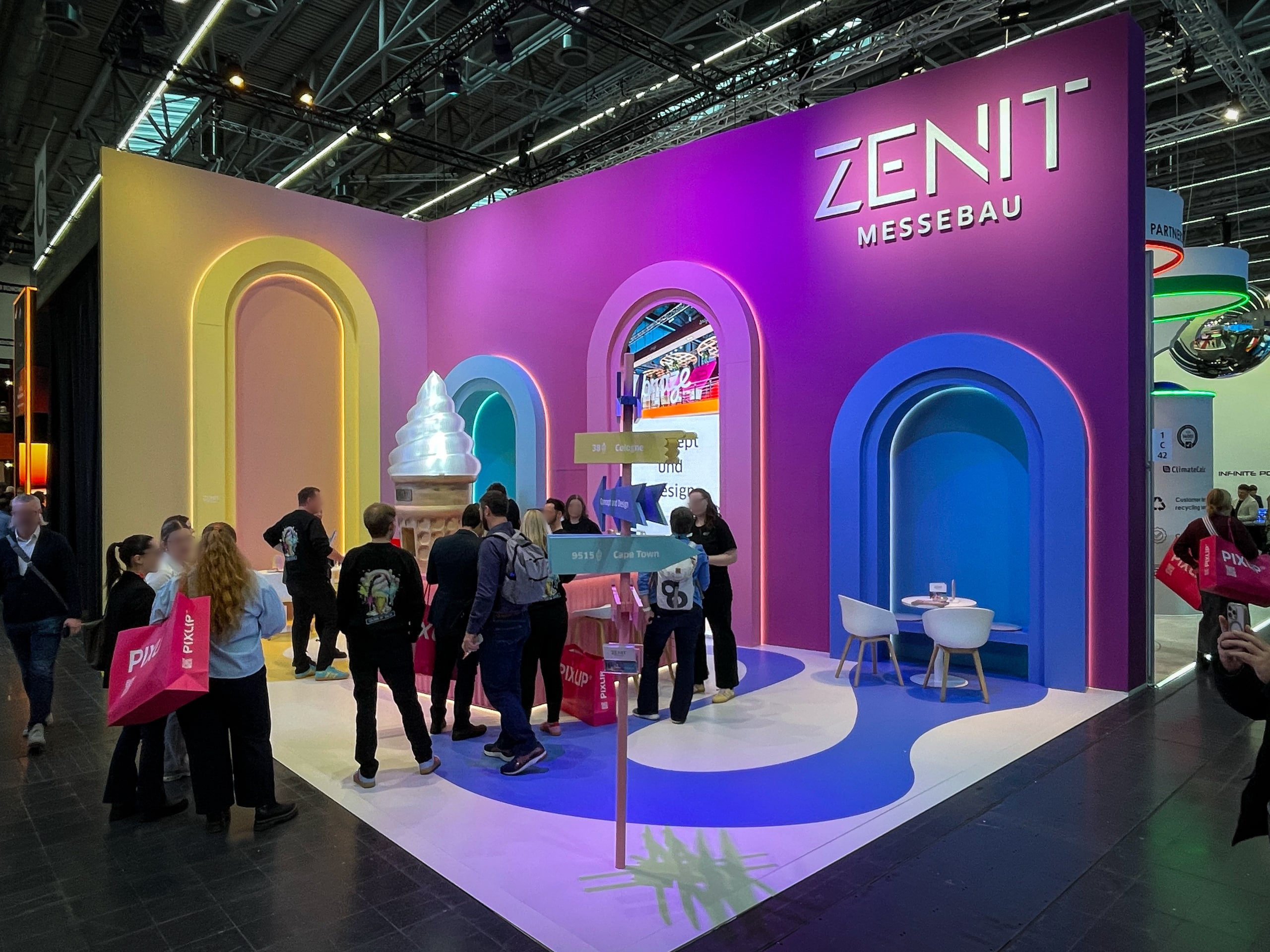
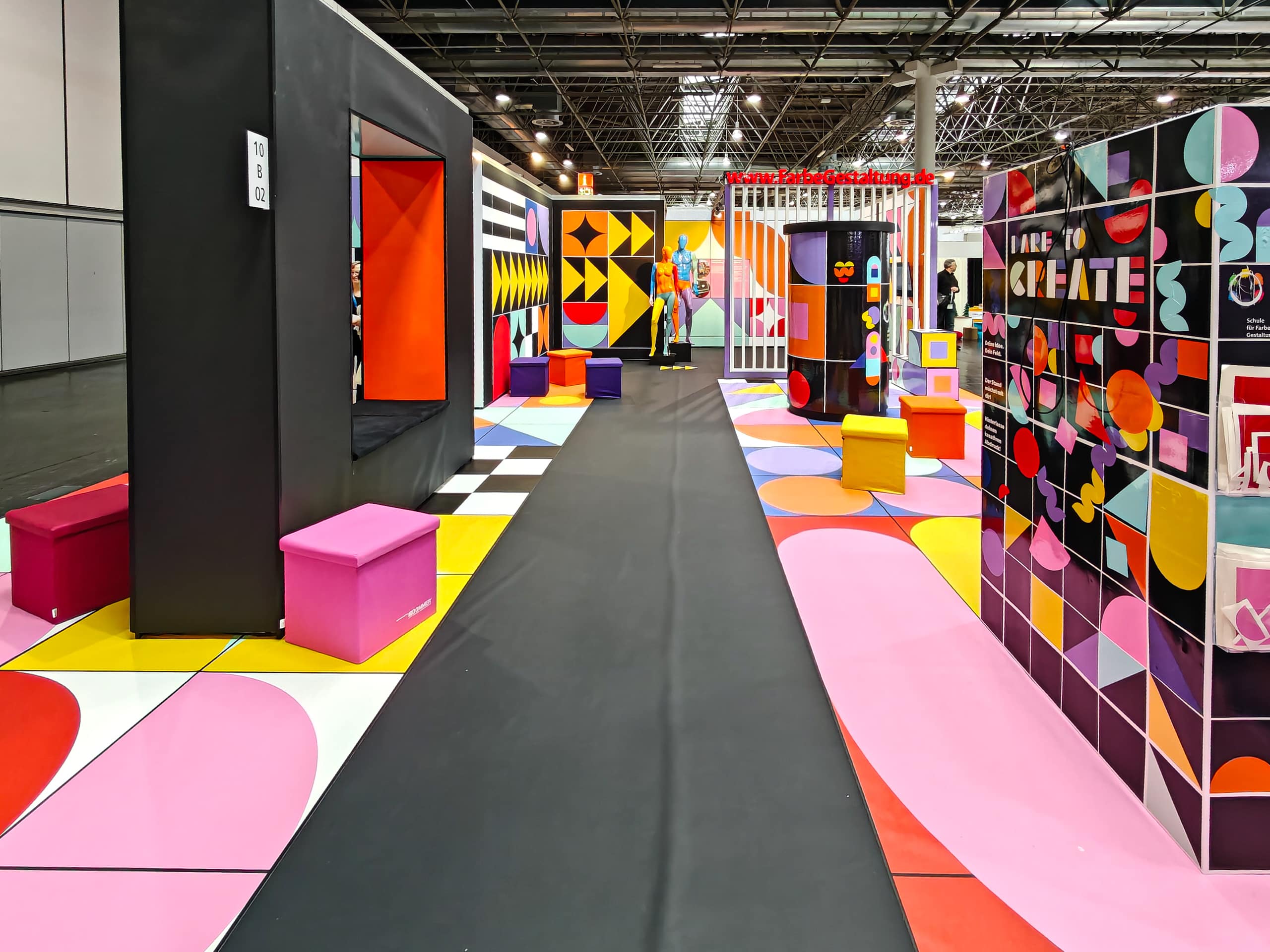
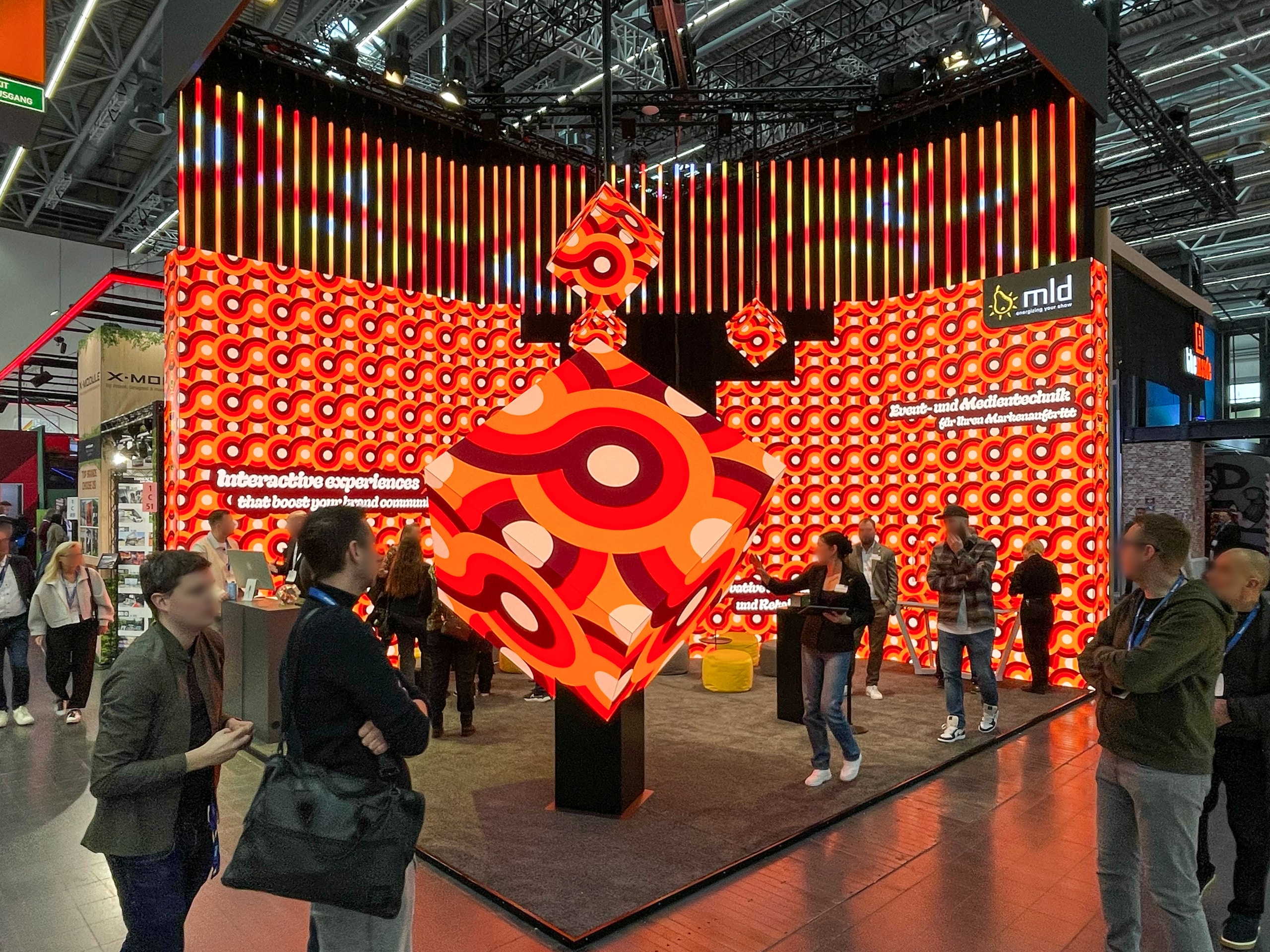
At the same time, material use varied from minimalist solutions to rich combinations of different surfaces. In some cases, exhibitors used materials extensively. However, when done well, this approach added depth, sophistication, and a polished finish.
3D printing opens new design possibilities
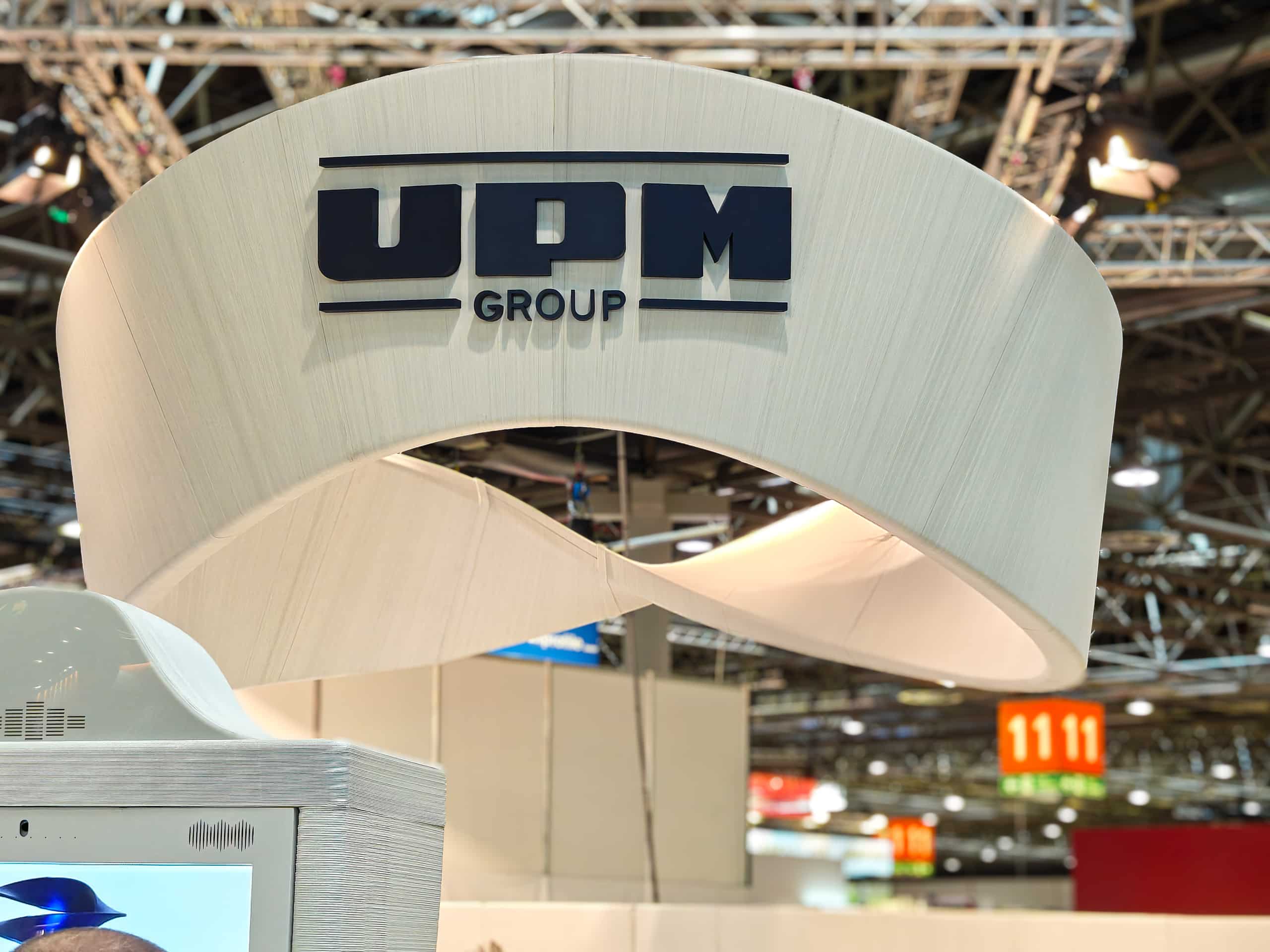
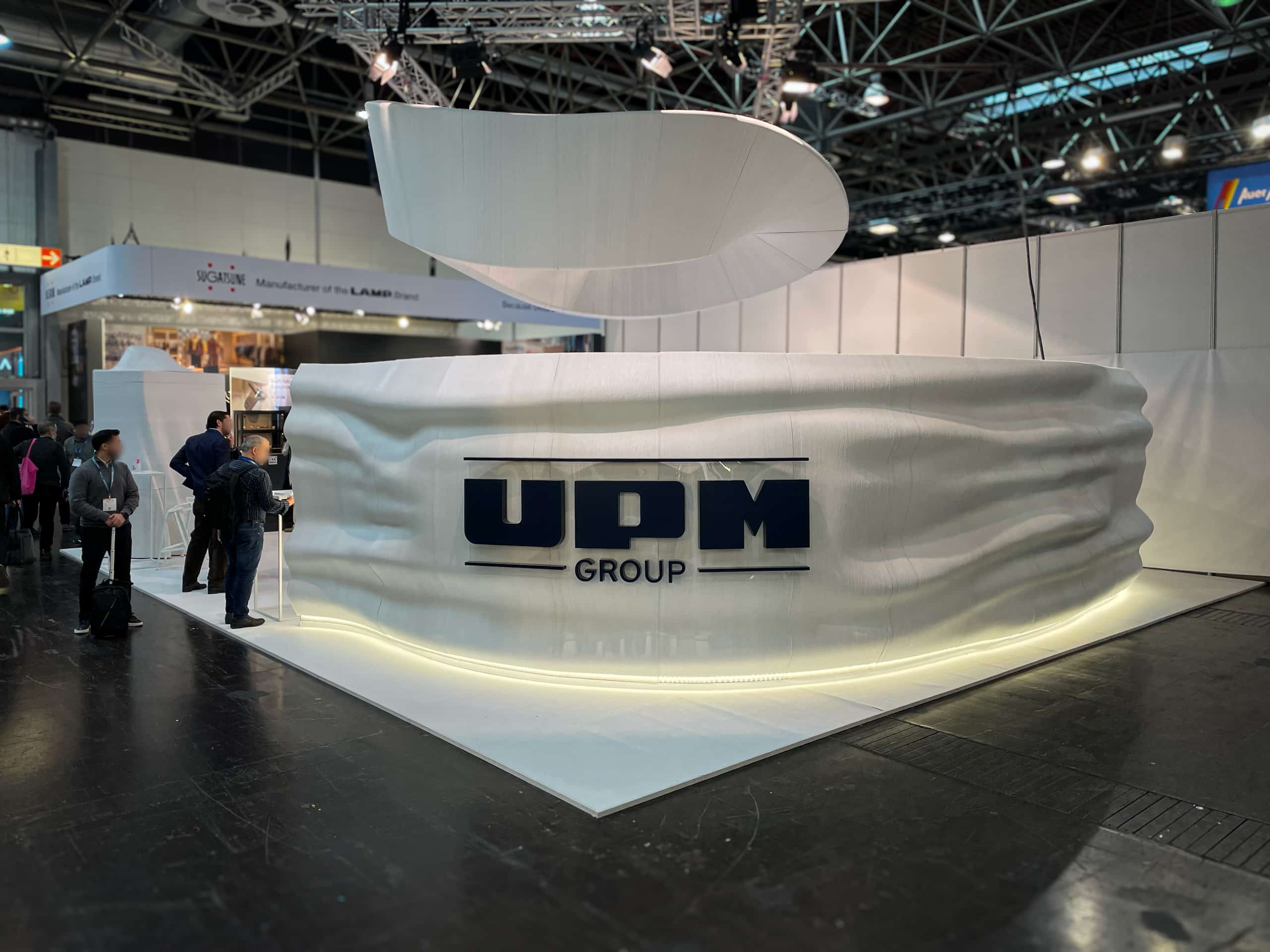
One of the most interesting developments was the use of 3D printing in stand elements.
Some stands featured 3D-printed structures with organic and free-form shapes. As a result, they stood out clearly from more traditional designs.
For audiences used to clean, minimal Nordic design, these solutions offered a refreshing contrast.
Looking ahead, 3D printing offers strong potential for creating unique forms and custom elements in exhibition stand design.
EuroShop confirms key exhibition stand design trends for 2026
Although EuroShop did not introduce a single disruptive innovation, it showcased many well-executed stands and valuable insights into exhibition stand trends 2026.
At the same time, the event highlights the importance of looking beyond your own industry. By doing so, companies can better understand broader design and communication trends.
For companies following current exhibition stand design trends, the message is clear. A competitive stand does not require entirely new solutions. Instead, success comes from a well-designed whole—where space, visuals, technology, and content support each other. Strong exhibition stand design ideas play a key role in achieving this.
Text: Jukka Tiihonen
Images: Messua Oy
Planning your next exhibition project?
Get in touch with Messua Oy’s experts. We help you turn exhibition stand design trends into effective, real-world trade show stand design solutions.